
Fire Safety to Soundproofing: The Essential Guide to Insulation Materials

Insulation materials form the backbone of modern building efficiency, balancing fire safety, thermal performance, sound control, and durability. This guide dives into how these materials protect lives, reduce noise, and enhance comfort, with a sharp focus on fire safety ratings and applications.
What Insulation Does for Your Home
Insulation works by trapping air pockets to resist heat flow, block sound waves, and prevent rapid fire safety hazards. Materials vary in density and composition, making some ideal for walls, attics, or floors. Choosing the right one starts with assessing your space’s needs, like climate zone or noise levels from nearby traffic.
Key Properties to Evaluate
Every insulation material boasts ratings for R-value (thermal resistance), STC (sound transmission class), and fire safety metrics like flame spread index. High R-values keep homes warmer in winter; superior STC dampens echoes. Prioritize fire safety look for Class A ratings under ASTM E84 standards, which measure smoke and flame development.
Prioritizing Fire Safety in Insulation Choices
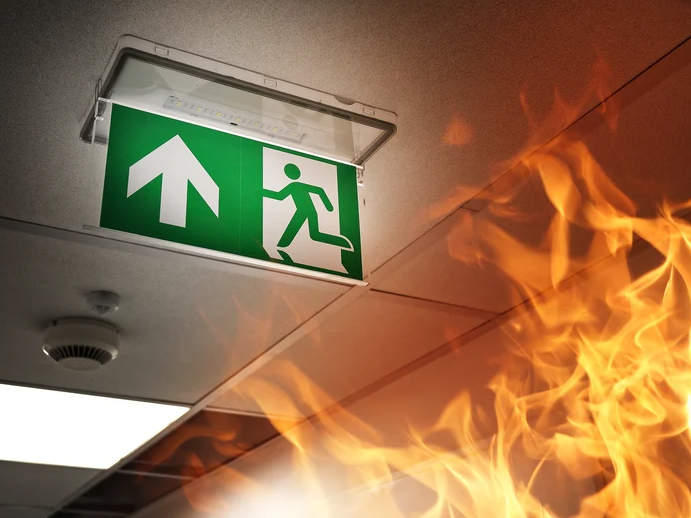
Fire safety isn’t optional; it’s a lifesaver. Insulation can either slow a blaze or fuel it rapidly. In residential fires, poor insulation contributes to 20% of structural failures, per NFPA data. Opt for non-combustible options to buy critical evacuation time, especially in multi-story homes. Mineral wool leads with its rock-based fibers, achieving zero flame spread. It withstands 2,000°F without melting, perfect for fire safety in firewalls. Fiberglass follows, treated with flame retardants for Class A status, though it can smolder if exposed long-term. Both outperform flammable alternatives like untreated foam.
Top Insulation Materials for Fire Safety
Mineral wool, or rockwool, excels in fire safety due to its inorganic basalt composition. Installed as batts or boards, it blocks flames while absorbing sound (STC 45+). In a 2023 study by the Insulation Institute, it contained a test fire for 4 hours, far outlasting synthetics. Fiberglass insulation, spun from recycled glass, offers solid fire safety with boric acid treatments. R-values hit 3.5 per inch, and it resists mold in humid climates. Contractors favor it for quick attic installs, where it muffles HVAC noise alongside flame barriers. For industrial or extreme fire safety needs, ceramic fiber blankets endure 2,600°F. Used in chimneys or saunas, they provide acoustic damping too. Though pricier, their zero shrinkage under heat makes them indispensable for high-risk areas like garages.
Soundproofing Benefits of Insulation
Beyond fire safety, insulation disrupts sound vibrations. Dense materials convert acoustic energy to heat, slashing noise by 50% in walls. Urban dwellers love this for blocking street clamor, turning apartments into sanctuaries. Mass-loaded vinyl paired with mineral wool hits STC 60, ideal for home theaters. Spray foam seals gaps, enhancing both quiet and fire safety. Acoustic tests show fiberglass reducing echoes by 40dB, rivaling professional studios. Smart installs layer fire safety-rated fiberglass behind drywall for dual benefits. In party walls, mineral wool prevents flanking noise while acting as a fire block. This synergy cuts renovation costs by 25%, per builder reports.
Thermal Insulation and Energy Savings
Insulation’s core job thermal regulation ties directly to fire safety. High R-value materials like closed-cell foam (R-6.5/inch) prevent overheating circuits, a top fire igniter. They maintain even temperatures, reducing strain on wiring. Cellulose, recycled paper treated for fire safety, fills walls densely for R-3.7 per inch. It sequesters carbon, appealing to green builders. Blown-in versions conform perfectly, minimizing air leaks that spark drafts and potential fires. Polyurethane spray foam expands to seal cracks, boosting efficiency by 30%. Fire-retardant grades meet fire safety codes, though open-cell variants prioritize soundproofing over max R-value. Pros apply it in attics for all-in-one performance.
Installation Tips for Optimal Performance
Start with clean, dry surfaces to maximize fire safety and adhesion. Wear PPE—masks guard against fiberglass itch, gloves handle mineral wool. Measure twice; improper fits create fire paths via gaps. DIY fiberglass batts suit budgets under $1,000 for a 1,000 sq ft attic. Pros handle spray foam for uniform coverage, ensuring fire safety compliance. Always vent attics to avoid moisture buildup, which degrades fire resistance. Skipping vapor barriers invites condensation, weakening fire safety. Overpacking cellulose reduces airflow, risking smoldering. Test installs with infrared cameras to spot voids, preserving soundproofing integrity.
See also: Reliable Corporate Line 0120366547 Professional Business Access
Advanced Applications and Innovations
Commercial builds demand rigorous fire safety, like mineral wool in high-rises. It meets IBC codes, soundproofing open offices while curbing fire spread across floors. New sensors-embedded foams monitor fire safety in real-time, alerting via apps. Aerogel blankets, ultra-thin at R-10/inch, revolutionize retrofits with top sound dampening. Bio-based insulations from mycelium promise fire safety without synthetics. Hemp wool combines acoustics, thermal wins, and flame resistance, cutting embodied carbon by 50%.
Maintenance and Long-Term Care
Annual checks spot settling or damage compromising fire safety. Probe attics for compression; replace if R-value drops 20%. Clean ducts to prevent dust-fueled fires. Rip out asbestos-era materials for modern fire safety upgrades. Incentives like U.S. IRA tax credits offset costs, improving soundproofing as a bonus. Quality installs last 50+ years. Mineral wool shrugs off pests; fiberglass needs occasional fluffing for peak performance.
Conclusion
Mastering insulation means prioritizing fire safety without skimping on soundproofing or efficiency. From mineral wool’s unyielding flame resistance to fiberglass’s versatile quiet, the right materials safeguard lives, slash energy bills by up to 25%, and create peaceful havens. Consult local codes, get professional quotes, and act now your home deserves this essential upgrade. Whether retrofitting or building anew, informed choices ensure comfort endures.